
For help & support:
01302 963109
What Are Coping Strategy Sessions and How They Support Neurodivergent Adults in the UK


Life can feel busy, loud and overwhelming, especially if you are navigating the world as an autistic adult, an ADHDer or someone with other cognitive or learning differences. Many people reach a point where they think, “There has to be a better way to manage this.” Coping Strategy Sessions are designed exactly for that moment. They help you understand what is happening, why certain situations feel harder than they should, and how to build personalised tools that make daily life feel calmer and more manageable. These sessions can support individuals directly, and are increasingly being explored by employers looking to better support neurodivergent staff in the workplace.
In this guide, we explain what Coping Strategy Sessions are, what you can expect, and how they help neurodivergent adults reduce overwhelm, build confidence and thrive in everyday environments.
What Are Coping Strategy Sessions?
Coping Strategy Sessions are one-to-one sessions focused on developing practical, personalised strategies that help adults manage overwhelm, anxiety, sensory challenges and day-to-day demands. They are not therapy in the clinical sense, and they are not a one-size-fits-all program. Instead, they are strengths-based, solution-focused and tailored to the unique ways your brain processes the world.
During a session, you work with a trained practitioner experienced in neurodiversity support. Together, you identify what feels difficult, explore what triggers stress or overload, and build practical techniques that fit your personality, environment, sensory profile and goals.
Many autistic adults experience sensory and communication differences that influence daily life, something described by the National Autistic Society. Coping Strategy Sessions take these differences into account so the strategies you build feel realistic and meaningful.
Who are Coping Sessions for?
While coping strategy sessions are often accessed by individuals seeking practical support, they are also relevant in workplace contexts. Employers may explore these sessions to better understand how neurodivergent staff experience stress, change, and workload – and how reasonable adjustments and supportive strategies can be introduced effectively.
How Coping Strategy Sessions Help With Overwhelm, Anxiety and Daily Challenges
Many people arrive at their first session unsure what exactly they need, but very clear on how they feel. Common experiences include:
- Feeling overwhelmed in busy, noisy or unpredictable environments
- Struggling with anxiety, worry or emotional regulation
- Feeling stuck in patterns that cause stress or shutdown
- Difficulty with organisation, planning or maintaining routines
- Challenges with communication, social expectations or workplace demands
- Sensory overload that affects concentration and comfort
- Trouble managing transitions or sudden changes
These experiences are common among neurodivergent adults and also appear across the wider population, as highlighted by the NHS. Coping Strategy Sessions help you build tools that meet these challenges head-on and give you a clearer sense of control in your daily life.
What Happens in a Coping Strategy Session?
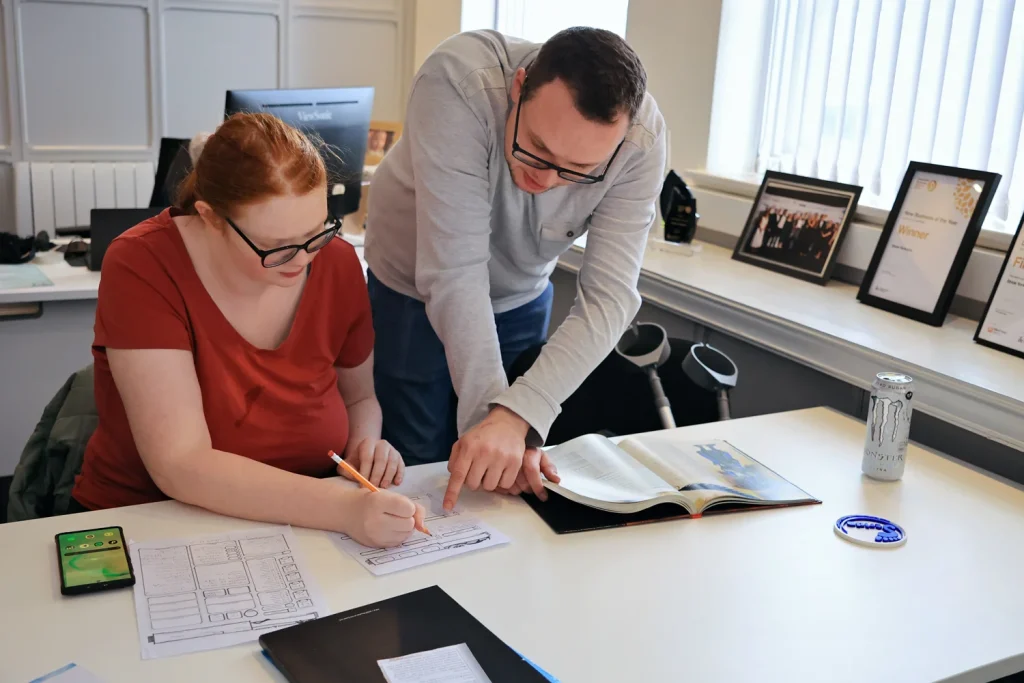
If you are new to this kind of support, it helps to know exactly what to expect. Here’s a simple breakdown.
1. Starting with where you are now
Sessions begin with a calm, supportive conversation. Your practitioner listens to your experiences without judgement. The aim is to understand what is happening in your life right now, what feels difficult and what you hope will feel easier.
2. Identifying patterns and triggers
Together, you explore the situations or environments that commonly lead to overwhelm, stress, shutdown or frustration. Recognising patterns is a powerful first step in building effective coping tools.
3. Exploring strategies that support your needs
Depending on your goals, you might try techniques such as:
- Breathing and grounding exercises for moments of overload
- Sensory regulation tools and environmental adjustments
- Organisation and time management supports
- Emotional regulation strategies
- Social communication supports
- Self-advocacy and workplace accommodations
- Predictability tools such as routines, prompts or visual aids
4. Personalising everything to your life
Your practitioner helps you adapt each strategy so it feels comfortable, realistic and sustainable. The aim is to create supports you will genuinely use, not tools that add more pressure.
5. Reflecting, adjusting and building confidence
Coping strategies evolve as you use them. Your practitioner helps you reflect on what worked, what didn’t and what could be adapted to support you even better.
Real-World Benefits of Coping Strategy Sessions
Here are some of the positive changes adults often experience after developing their personalised coping toolkit.
Feeling calmer in stressful moments
With tools to use before, during and after moments of overwhelm, you feel more equipped to regulate your emotions and nervous system.
Reduced sensory overload
Understanding your sensory profile helps you create environments and routines that minimise discomfort and prevent escalation.
Improved emotional regulation
Recognising emotions earlier and knowing how to respond helps reduce shutdowns, meltdowns or panic-like responses.
Greater clarity, focus and routine
When strategies are designed around how your brain works, organisation becomes more manageable and sustainable.
Better communication and self-advocacy
Many people feel more confident expressing needs at home, at work or in social environments.
More predictable days and fewer crisis moments
Small, personalised techniques often lead to significant improvements in everyday stability.
Why Coping Strategies Work – The Science in Simple Terms
Coping strategies work because they support both the brain and the body in managing stress. When you feel overwhelmed, your nervous system moves into a state of alert. Your heart rate increases, breathing changes and your thinking becomes less clear.
Grounding, sensory regulation and wellbeing techniques are widely recognised as effective ways to support the nervous system, as explained by Mind.
Practical coping strategies help by:
- Regulating the nervous system
- Reducing sensory and cognitive overload
- Supporting executive functioning
- Increasing predictability in daily routines
- Helping you understand your emotions and responses
- Encouraging proactive, not reactive, coping
How Coping Strategy Sessions Can Support Employers and Workplaces
Coping strategy sessions are not only valuable for individuals – they are also increasingly used by employers as part of wider workplace wellbeing and neurodiversity support.
For organisations, these sessions can help build a better understanding of how neurodivergent employees experience stress, change, communication, and workload. This insight allows employers to introduce more thoughtful adjustments, improve day-to-day interactions, and create working environments where staff feel supported rather than overwhelmed.
Employers may choose to explore coping strategy sessions to support neurodivergent staff with challenges such as managing anxiety, coping with sensory overload, navigating workplace routines, or balancing productivity with wellbeing. The focus is not on diagnosis or performance management, but on practical strategies that help individuals feel more confident and capable at work. Employers may also want to understand how coping strategy sessions can support neurodivergent employees in the workplace.
By offering access to structured coping strategy support, workplaces can take a proactive approach to inclusion – supporting retention, reducing burnout, and fostering a culture where neurodivergent employees are better understood and valued.
Who Delivers Coping Strategy Sessions?
At Stride, sessions are delivered by practitioners with extensive experience supporting neurodivergent adults. They use a gentle, strengths-based approach and understand how sensory differences, executive functioning, emotional regulation and communication styles influence everyday life.
You do not need a diagnosis to take part. You simply need a desire to explore what is not working and build strategies that support you more effectively.
How to Get Started
If you feel ready to build practical tools that reduce overwhelm and make daily life feel calmer, the next step is simple.
You can:
- Visit the Coping Strategy Sessions page on our website
- Contact us to ask questions or explore whether this support is right for you
- Discuss Access to Work funding options if you think they may apply
- Read our case studies to see how others have benefited
There is no pressure and no commitment. Sometimes the most powerful step is simply starting a conversation.